
Other Training Aircraft
Consolidated’s Lesser-Known Trainers
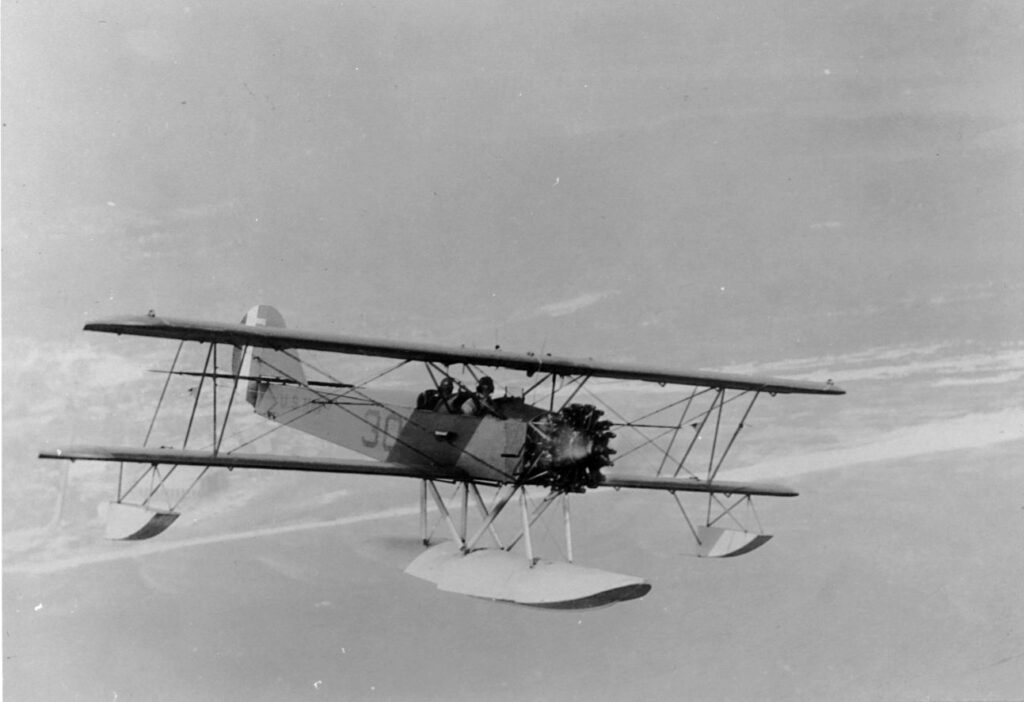
While the PT-1, PT-3, and PT-Husky became the most recognized members of Consolidated’s early training lineage, the company also developed several lesser-known prototypes, experimental models, and transitional trainers. These aircraft—sometimes produced in tiny quantities—represent the iterative engineering steps that led to the refined training systems of the 1920s and 1930s.
These designs filled gaps, tested new technologies, or responded to short-term military requirements. Though they seldom achieved wide fame, they played important roles in advancing Consolidated’s aeronautical expertise.
Experimental and Transitional Designs
Many early training aircraft emerged as engineering testbeds. Consolidated’s experimental trainers explored:
-
new airfoil shapes
-
stronger fuselage structures
-
improved landing gear for rough fields
-
control surfaces optimized for novice pilots
-
lightweight materials and simplified construction
Some models ran in parallel with the PT-series, allowing engineers to compare stability, cost, and maintainability in real-world tests. These experiments directly shaped the production aircraft that followed.
Limited-Production Trainers
Several Consolidated trainers were produced in small batches for evaluation at Army flight schools. These aircraft often served:
-
advanced flight students transitioning to observation or pursuit aircraft
-
specialized instruction such as cross-country navigation
-
night or instrument familiarization
-
flight testing at Army depots such as McCook Field
Even when their production totals were limited, these models contributed valuable operational data that informed later standardized trainers.
Role in Expanding Pilot Training Capacity
During the expansion of U.S. military aviation in the 1920s, flight schools needed a steady supply of dependable, easy-to-maintain aircraft. Consolidated’s lesser-known trainers helped fill that need by providing:
-
rugged platforms for early solo flights
-
forgiving handling for beginning pilots
-
dependable performance in varied climates
-
lower operating costs compared to frontline combat aircraft
In many cases, these aircraft served quietly but reliably—moving thousands of student pilots through their earliest hours in the cockpit.
Engineering Knowledge That Informed the PT Line
Although these other trainers never matched the fame of the PT-1, PT-3, or PT-Husky, they offered crucial lessons in:
-
structural fatigue
-
engine cooling and vibration control
-
tail-surface balance
-
cockpit ergonomics for student and instructor
-
maintenance simplicity in field conditions
This accumulated knowledge made the PT-series both safer and more economical to operate—supporting national pilot training on a scale that had never been attempted before.
Legacy of the Forgotten Trainers
These aircraft seldom appear in photographs or museum collections, but their influence is present in every successful trainer that followed. They embody the incremental innovations that strengthened Consolidated’s reputation as a dependable builder of military training aircraft.
Together, they represent the quiet engineering foundation beneath the more famous models—a testament to Consolidated’s willingness to refine, test, and continually improve.