
 Founding NYRBA — First Airline
1929–1930
Fleet helped create the first long-range airline linking North and South America by air, laying groundwork later absorbed into Pan American Airways.
Opening the Americas by Air
In the late 1920s, when long-distance air travel was still experimental and uncertain, a bold new project emerged: the New York–Rio–Buenos Aires Air Line, known as NYRBA. Its purpose was ambitious—to connect North and South America by a continuous network of air routes.
Reuben H. Fleet brought to NYRBA the organizational discipline, safety focus, and technical understanding he had gained from military aviation and aircraft manufacturing. The result was one of the most advanced airline operations of its time.
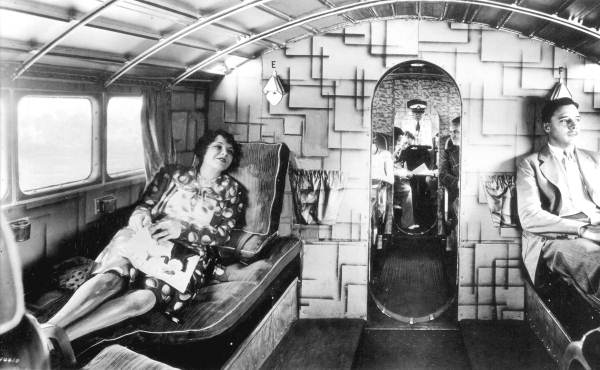
New York – Rio – Buenos Aires (NYRBA)
A Continent-Spanning Vision
NYRBA’s routes were unprecedented in length and complexity:
-
from the commercial centers of the United States
-
down through the Caribbean and along the eastern coast of South America
-
reaching Rio de Janeiro and Buenos Aires
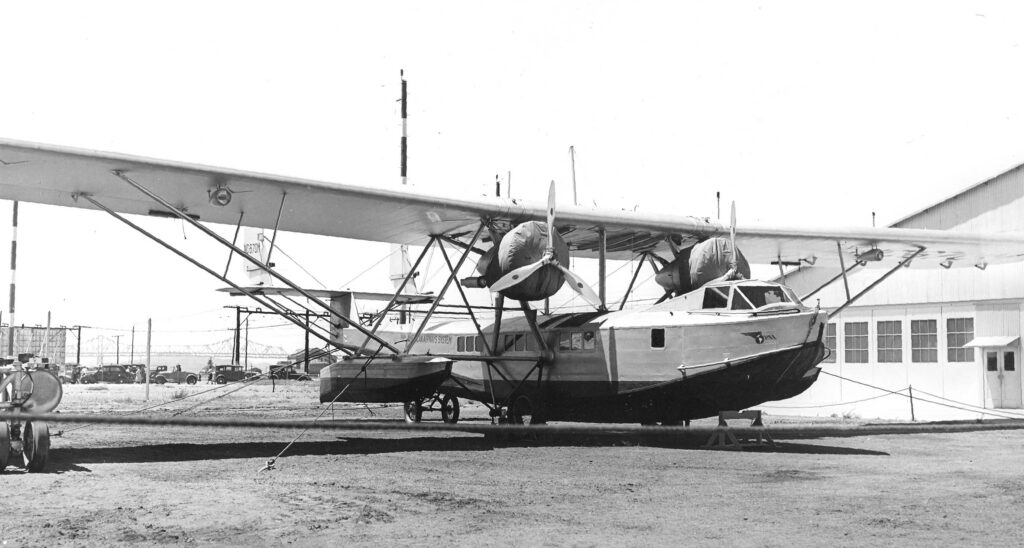
To make these routes work, NYRBA relied on long-range flying boats and amphibious aircraft capable of landing on rivers, harbors, and coastal waters where airfields did not yet exist.
The airline had to solve problems of navigation, maintenance, crew training, weather forecasting, and international coordination—often without existing models to follow.
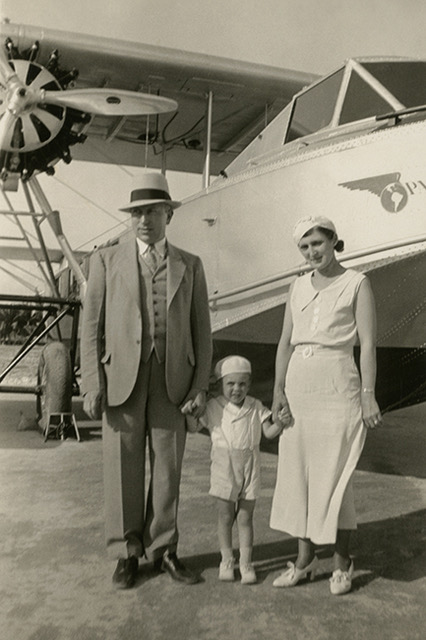
Fleet’s Contributions
Fleet’s experience with flying boats and long-range aircraft made him a natural fit for this new venture. He helped shape:
-
aircraft selection and configuration
-
operating procedures for long over-water flights
-
maintenance standards suitable for remote bases
-
training practices for crews flying international routes
Recollections from those who worked with him describe a leader who understood both the technical and human demands of such a pioneering enterprise.
The Arrival of Pan American Airways
NYRBA’s success quickly attracted attention. Its routes were strategically important, and its operations proved that regular intercontinental air travel was feasible. Before long, Pan American Airways—backed by strong political and financial support—moved to consolidate control of American air routes to South America.
Through regulatory and financial pressure, NYRBA was eventually merged into Pan Am. Many of NYRBA’s routes, practices, and personnel became the backbone of Pan American’s South American operations.
Why NYRBA Matters
Although NYRBA existed for only a brief period, its significance is lasting:
-
it demonstrated that regular air service between the hemispheres was practical
-
it developed techniques for navigation and operations over vast distances and open water
-
it established patterns of service that would be used by airlines for decades
-
it showed that properly organized, long-range air travel could knit continents closer together
Fleet’s role in NYRBA is a reminder that his contributions extended far beyond aircraft design and manufacturing. He also helped pioneer the very idea of international airline service in the Western Hemisphere.