
Observation Aircraft
Eyes in the Sky
Before radar, satellites, and digital surveillance, aviation relied on the eyes of trained observers. Observation aircraft served as the forward scouts of early military aviation, gathering information that shaped missions, protected forces, and guided strategic decisions.
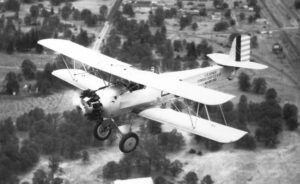
Consolidated Aircraft played a key role in developing observation platforms during the early decades of aviation. These aircraft emphasized stability, visibility, and endurance, enabling crews to document enemy positions, terrain, and movement long before modern reconnaissance tools existed.
The Role of Observation Aircraft
Observation aircraft were designed with a specific purpose:
to see what others could not.
Their missions included:
-
aerial photography
-
artillery spotting
-
reconnaissance and intelligence gathering
-
mapping and survey flights
-
battlefield coordination
These aircraft were not built for speed or combat. Instead, they were engineered to remain steady at low speeds, maintain long periods of flight, and provide clear fields of view for observers and cameras.
Reliable observation aircraft were essential to military planning and execution in the years leading up to World War II.
Design Characteristics
To perform their missions effectively, observation aircraft typically incorporated:
-
high wings for unobstructed downward visibility
-
open or semi-open cockpits for camera operation
-
robust structures capable of handling low-altitude turbulence
-
long endurance for extended reconnaissance flights
-
stable flight characteristics for accurate photography
Consolidated’s approach to observation design reflected its broader philosophy: create dependable aircraft that could be trusted in demanding and unpredictable environments.
Consolidated’s Contributions
While Consolidated Aircraft became most famous for its bombers and flying boats, its early observation designs helped shape the company’s engineering identity.
These aircraft:
-
trained pilots and observers in reconnaissance techniques
-
provided critical intelligence for military operations
-
influenced the development of later patrol and long-range aircraft
-
fostered innovations in visibility, stability, and endurance
The knowledge gained from observation aircraft directly contributed to the development of more advanced platforms in the 1930s and 1940s, including the PBY Catalina and other maritime patrol aircraft.
The Importance of Observation in Aviation History
Observation aircraft were often overlooked in historical accounts, yet their influence was significant. They documented terrain where maps did not yet exist, identified hidden threats, and guided the movements of ground forces. Their photographs and reports shaped the decisions of commanders at every level.
Before modern technology made surveillance instantaneous, pilots and observers in these aircraft practiced the earliest forms of aerial intelligence—laying the groundwork for reconnaissance that continues today in satellites, drones, and advanced sensors.
Explore More Aircraft
Return to the Hangar to view other categories:
-
Training Aircraft
-
Transport Aircraft
-
Pursuit Aircraft
-
Seaplanes & Flying Boats
-
Bombers