
Transport Aircraft
Connecting People, Supplies, and the World
Transport aircraft served as the backbone of military and commercial logistics in the early and mid-20th century. These machines carried personnel, equipment, mail, and essential cargo across enormous distances, enabling operations that would have been impossible without reliable airlift capability.
Consolidated Aircraft contributed to this vital mission by designing transport planes that emphasized endurance, payload capacity, and operational efficiency. Their aircraft supported both peacetime expansion and wartime necessity, moving people and resources wherever they were needed most.
The Role of Transport Aircraft
Transport aircraft were built to do the heavy lifting of aviation. Their missions included:
-
moving troops to distant bases
-
delivering supplies and ammunition
-
carrying medical teams and equipment
-
transporting spare parts for aircraft maintenance
-
supporting humanitarian relief efforts
-
enabling strategic mobility during wartime
These aircraft formed the logistical network that connected commands, front lines, and civilian populations across continents.
Design Philosophy and Requirements
Transport aircraft had to balance strength, capacity, and reliability. Key design priorities typically included:
-
rugged construction
-
high payload capability
-
efficient engines for long-range flight
-
spacious interiors for cargo or personnel
-
reliable performance in varied weather conditions
-
ease of loading and unloading
Consolidated’s approach to transport design reflected its broader engineering principles: build aircraft that perform consistently under demanding conditions and provide dependable service throughout long operational lifespans.
Consolidated’s Transport Designs
Throughout the 1920s and 1930s, Consolidated developed several transport models that contributed to both military and commercial aviation. These aircraft:
-
supported early air routes
-
carried personnel and critical materials
-
provided versatile platforms for evolving logistical needs
-
influenced the development of later long-range aircraft
While not as famous as the company’s bombers or flying boats, Consolidated’s transports played a crucial role in establishing long-distance aviation networks.
Transport Aircraft in Wartime
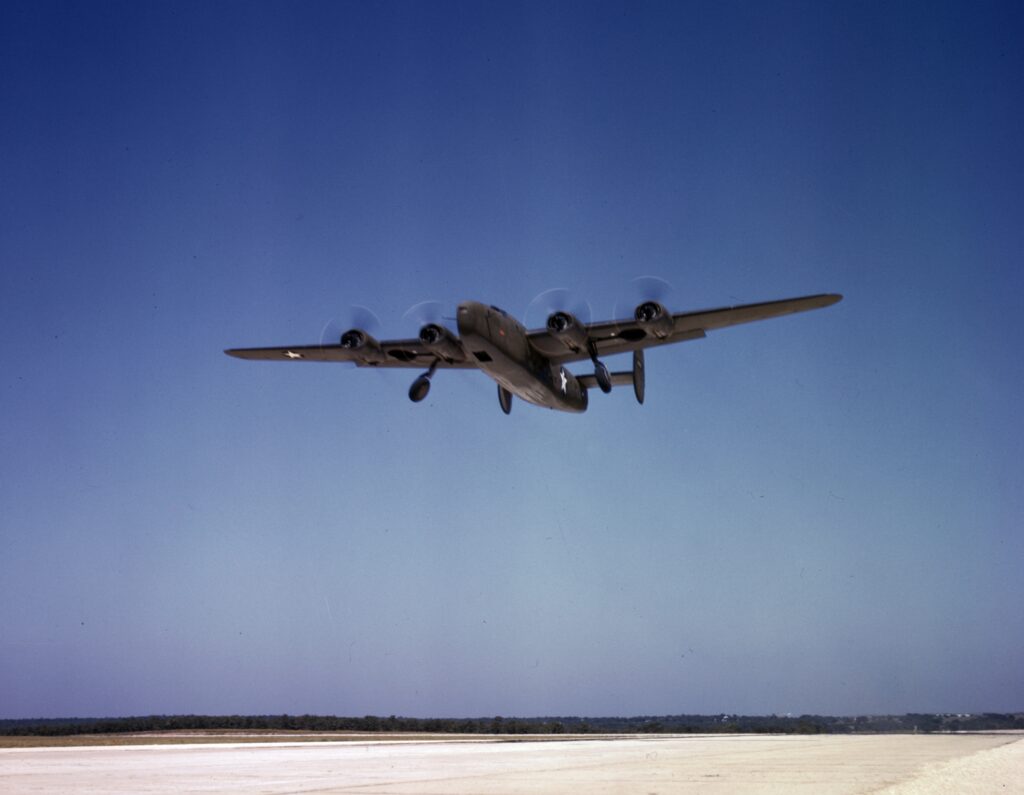
During World War II, transport aircraft became indispensable to the Allied war effort. They carried everything—from food and fuel to medical supplies and mission-critical components. They supported front-line operations, evacuated wounded personnel, and ensured that combat units had the tools they needed to function.
Transport aircraft were the quiet workhorses of the war. Their reliability and range helped sustain operations across vast theaters, from Europe to the Pacific.
Consolidated’s engineering experience, gained through transports and other multi-role aircraft, directly contributed to the designs that would later emerge as the company’s most famous wartime machines.
The Legacy of Transport Aviation
The work begun by early transport aircraft laid the foundation for modern airlift operations. Today’s global mobility—commercial flights, cargo delivery systems, and rapid deployment capabilities—traces its origins to these pioneering designs.
Consolidated’s transport aircraft played a meaningful part in that evolution. They demonstrated the potential of aviation not just for exploration or defense, but for connection.
Explore More Aircraft
Return to the Hangar to view other categories:
-
Training Aircraft
-
Observation Aircraft
-
Pursuit Aircraft
-
Seaplanes & Flying Boats
-
Bombers