

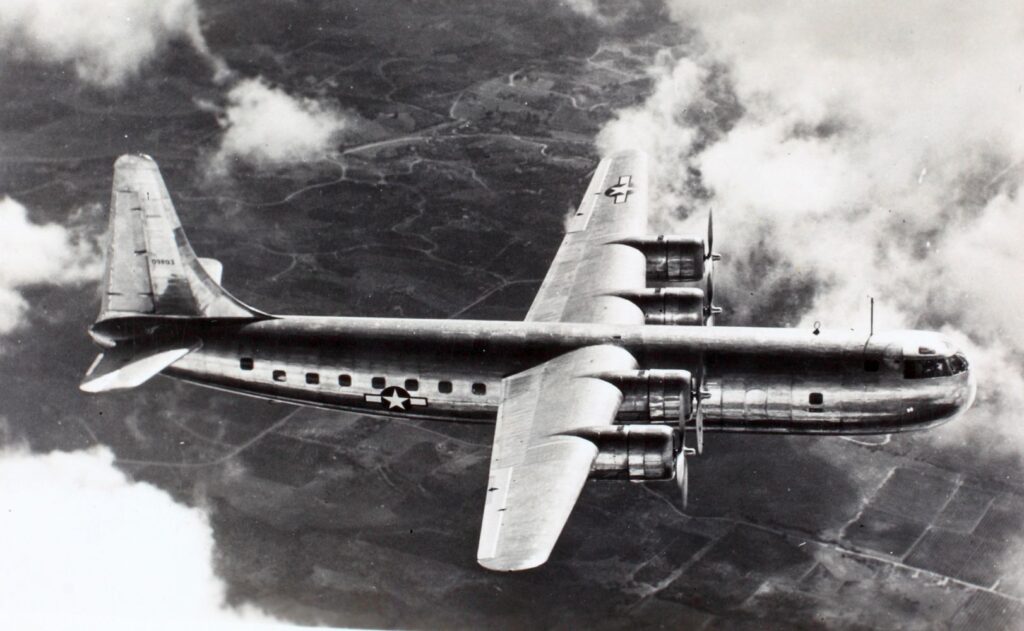
Civilian Transport Conversions
Adapting Military Aircraft for Civil Aviation
Consolidated’s aircraft were known for strength, range, and reliability — qualities that made them excellent candidates for civilian conversion once military service ended or when specific commercial opportunities arose. These conversions allowed air carriers, private owners, and industrial operators to benefit from the robust engineering originally designed for the U.S. Army Air Corps and Navy.
Civilian transport conversions helped extend the operational life of Consolidated aircraft and played an important part in the early growth of commercial aviation.
Why Conversions Were Needed
During the 1920s–1940s, airlines and private companies often lacked access to purpose-built transports. Military aircraft, once retired from frontline duty, offered:
-
solid construction capable of handling heavy use
-
long-range capability for mail and cargo routes
-
low acquisition cost, making them attractive to start-up carriers
-
proven reliability from years of service testing
-
adaptability, allowing a wide range of passenger or cargo configurations
Conversions became a standard industry practice, providing essential bridges between military production and the emerging civilian air transport market.
Common Types of Consolidated Conversions
Many Consolidated designs saw civil use after modification, including:
Mail and Cargo Conversions
Aircraft were stripped of military fittings and reconfigured with reinforced floors, enlarged doors, and secure compartments to transport:
-
bags of U.S. airmail
-
express freight
-
industrial cargo
-
spare parts and tools for remote operations
These conversions supported early postal routes and helped pioneer long-distance commercial logistics.
Passenger Cabin Conversions
Some aircraft were upgraded with:
-
padded seats
-
improved insulation
-
heating or ventilation upgrades
-
interior paneling for comfort
These civilian cabins provided early regional air service and executive transport options.
Mixed Cargo/Passenger (“Combi”) Configurations
A flexible format allowed operators to carry:
-
passengers up front
-
cargo or mail in the rear
-
or a reconfigurable layout based on route demand
This adaptability made conversions especially valuable for small airlines.
Representative Examples
While the exact aircraft vary by operator and region, typical Consolidated conversions included:
-
early transports derived from military prototypes
-
Fleetster family variants modified for expanded roles
-
specialized conversions undertaken by regional maintenance shops
-
aircraft diverted from government contracts into private use
Each conversion reflected the needs of the operator — from air mail carriers to industrial survey teams to corporate flight departments.
Impact on Civil Aviation
Civilian conversions played a crucial role in shaping early commercial aviation by:
-
expanding air routes into underserved regions
-
providing affordable aircraft to new airlines
-
supporting postal and freight networks
-
demonstrating the versatility of Consolidated engineering
-
extending the lifespan of aircraft far beyond their military service years
These converted aircraft helped prove that aviation could be more than a military tool — it could be a commercial and societal asset.
Explore More Aircraft
Return to the Hangar to view related categories:
-
Commercial Aircraft
-
Transport Aircraft
-
Training Aircraft
-
Observation Aircraft
-
Seaplanes & Flying Boats
-
Bombers