

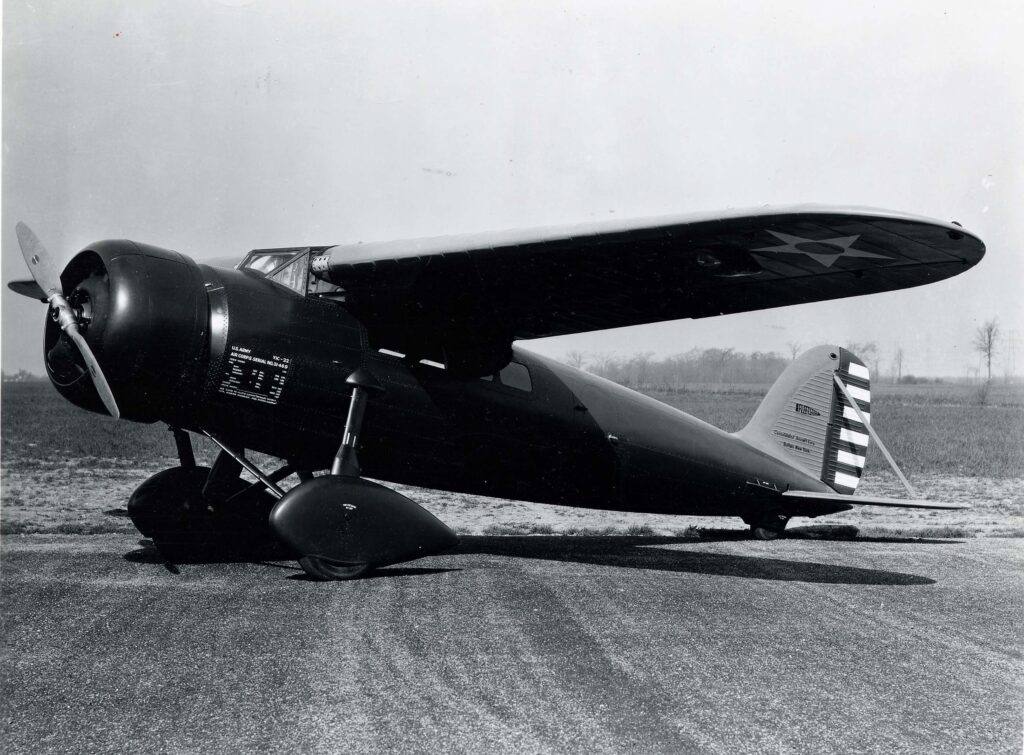
Consolidated Model 9
An Early Step Toward Commercial Air Transport
The Consolidated Model 9 represents one of the company’s earliest ventures into commercial aircraft design. Built during a formative period for both Consolidated Aircraft and the broader American aviation industry, the Model 9 demonstrated Reuben H. Fleet’s interest in creating practical, dependable aircraft for civilian operators as well as the military.
While far less known than the Fleetster or the later transport models derived from wartime designs, the Model 9 helped define Consolidated’s emerging philosophy: build aircraft that are rugged, stable, and versatile—qualities that would later become hallmarks of the company’s most successful designs.
Design Intent and Purpose
The Model 9 was conceived during a time when commercial aviation was still struggling to establish itself. Civil routes were short, aircraft technology was evolving rapidly, and operators needed airplanes that were:
-
economical to operate
-
simple to maintain
-
structurally dependable
-
capable of carrying mail, light cargo, or a small number of passengers
The Model 9 targeted these emerging needs. It offered a basic, reliable airframe built upon Consolidated’s early engineering strengths, serving as a bridge between primitive post-WWI aircraft and the more sophisticated commercial designs of the 1930s.
Construction and Features
Although not produced in large numbers, the Model 9 showcased several characteristics that became typical of early Consolidated aircraft:
-
strong conventional wood-and-fabric construction with careful weight distribution
-
a dependable inline or radial engine (sources vary depending on the specific configuration)
-
open cockpit or semi-enclosed cabin depending on customer requirement
-
high-lift wing design suitable for short takeoff distances and modest airfields
-
straightforward maintenance and field serviceability, a priority in the 1920s
These features made the aircraft well-suited to mail routes, training roles, and short-range personnel transport.
Operational Use
Though never a centerpiece of Consolidated’s lineup, the Model 9 found its place among:
-
early regional carriers
-
aviation clubs
-
commercial mail contractors
-
private owners requiring a dependable utility aircraft
Its simplicity and sturdy handling earned it a quiet but respected reputation among pilots familiar with early Consolidated designs.
Place in Consolidated History
The significance of the Model 9 lies not in production numbers, but in evolution. It helped:
-
refine Consolidated’s understanding of the commercial market
-
shape foundational engineering practices
-
prepare the company to design more advanced transports
-
demonstrate Fleet’s commitment to diversifying beyond military contracts
The Model 9 also stands as an early indicator of the company’s ability to transition between military and civilian aviation needs—an adaptability that would later define Fleet’s success with aircraft like the Fleetster, PBY Catalina, and B-24 Liberator.
Explore More Aircraft
Return to the Commercial Aircraft category or explore related aircraft in the Hangar:
-
Fleetster (Model 17 & Variants)
-
Early Consolidated Transports
-
C-87 Liberator Express
-
C-109 Tanker