

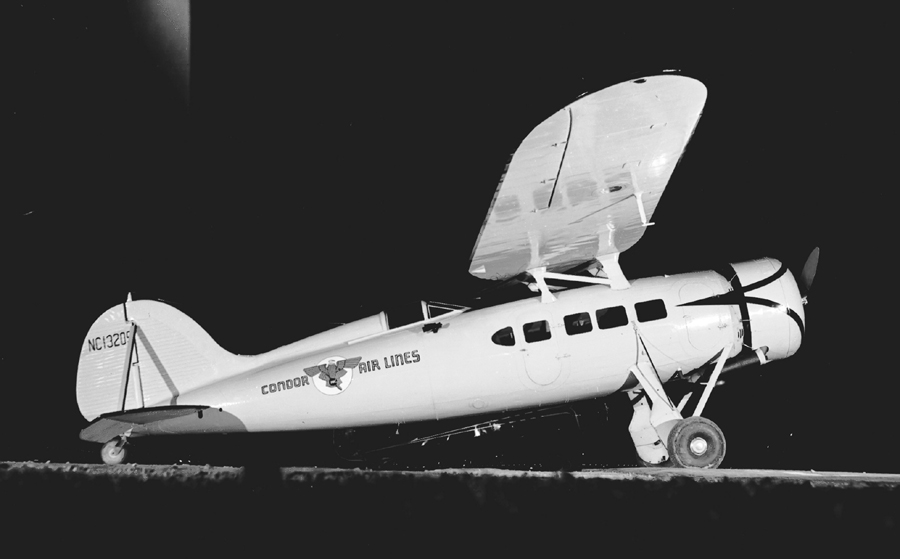
Corporate & Executive Aircraft
Business Aviation in the Early 20th Century
Long before sleek business jets became symbols of corporate travel, aviation pioneers and forward-thinking companies used specially configured executive aircraft to move leaders, inspectors, engineers, and VIPs across vast distances. Consolidated’s rugged, reliable designs were especially well suited to these roles, and several models — including the Fleetster series — became early favorites for corporate and government use.
These aircraft blended durability with comfort, offering a new kind of mobility to executives who needed to reach remote sites, military contracts, or industrial facilities on tight schedules.
Why Corporate Aircraft Emerged
In the late 1920s and early 1930s, aviation was rapidly transforming American business. Companies began recognizing that aircraft could provide:
-
faster travel than rail or road
-
direct routes to factories, mines, or military bases
-
personalized schedules without reliance on airlines
-
status and prestige, signaling technological leadership
As a result, demand grew for aircraft that combined performance with a degree of comfort and style suitable for executives and government officials.
Consolidated’s Role in Early Executive Aviation
Consolidated Aircraft, known for its strong airframes and dependable engineering, naturally entered this arena. While not producing luxury liners in the modern sense, the company offered several models easily adapted into executive transports:
Fleetster Executive Variants (Model 17 Series)
The Fleetster became one of the most notable aircraft for corporate use. Companies and government agencies selected it because of its:
-
streamlined metal monocoque fuselage
-
high-speed performance for its era
-
comfortable cabin, often outfitted with upholstered seating
-
ample luggage and equipment space
-
reputation for reliability and versatility
Executives, engineers, and inspectors often used Fleetsters to visit remote worksites, military testing grounds, or regional offices.
Typical Executive Modifications
While every operator customized differently, most corporate upgrades included:
-
upgraded seat cushions and cabin trims
-
improved heating or ventilation
-
sound-damping insulation
-
map cases, writing tables, or communication equipment
-
polished exterior finishes for presentation
-
special paint schemes or company markings
These enhancements helped transform sturdy working aircraft into respectable executive transports.
Government & Military Executive Use
Beyond private companies, early executive configurations were also used by:
-
military officers inspecting bases
-
postal officials overseeing route development
-
aeronautics executives monitoring factories
-
state or federal agencies requiring rapid travel
Aircraft like the Fleetster allowed government leaders to reach distant posts quickly — improving communication, oversight, and decision-making in an era before widespread airline networks.
Legacy of the Executive Aircraft Era
The corporate aircraft of the 1920s–1930s laid the foundation for today’s business aviation sector. They showed that:
-
executives could travel independently of commercial schedules
-
aircraft could serve professional and administrative purposes
-
aviation could be a strategic business tool, not just a military asset
Consolidated’s early contributions — especially the Fleetster series — played a meaningful part in proving the value of executive flight.
Explore More Aircraft
Return to the Hangar to view related categories:
-
Commercial Aircraft
-
Transport Aircraft
-
Training Aircraft
-
Seaplanes & Flying Boats
-
Observation Aircraft
-
Bombers