

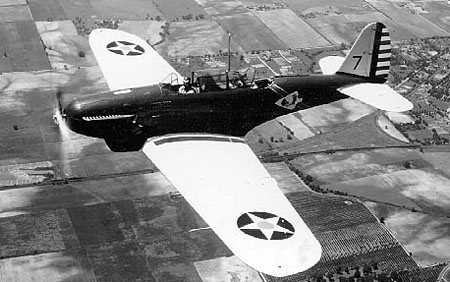
Pursuit Aircraft
The Early Fighters of American Aviation
Before the modern term “fighter aircraft” came into use, these agile machines were known as pursuit aircraft. Built for speed, maneuverability, and precision, pursuit planes formed the cutting edge of early aerial combat and air defense.
Although Consolidated Aircraft became best known for its bombers and flying boats, the company contributed to the development of pursuit designs that helped shape the evolution of American military aviation. These aircraft played a key role in the interwar years, when aerial tactics, technologies, and doctrines were rapidly advancing.
The Mission of Pursuit Aircraft
Pursuit aircraft were created to control the air. Their missions included:
-
intercepting enemy aircraft
-
defending bases and strategic locations
-
escorting bombers or reconnaissance planes
-
engaging in air-to-air combat
-
training new fighter pilots
These aircraft required exceptional handling and performance. Pilots depended on their pursuit planes to respond instantly, climb rapidly, and maneuver with precision at high or low altitudes.
Characteristics of Early Pursuit Designs
Pursuit aircraft demanded a different engineering approach than trainers or transport aircraft. Key design priorities included:
-
lightweight construction for increased speed
-
powerful engines for fast climbs and quick acceleration
-
responsive controls for rapid maneuvering
-
aerodynamic lines to reduce drag
-
open cockpits for visibility
-
fixed or early retractable landing gear, depending on the era
During the 1920s and 1930s, pursuit aircraft served as the proving grounds for engine improvements, metal construction techniques, aerodynamic refinements, and advances in armament systems.
Consolidated’s Role in Pursuit Development
While not the company’s primary focus, Consolidated Aircraft contributed to pursuit development through experimental designs and prototype work. These efforts helped refine the engineering knowledge that later supported the company’s expansion into patrol planes, bombers, and long-range aircraft.
Consolidated’s pursuit projects:
-
supported early Air Corps testing
-
informed the military’s understanding of new aerodynamic concepts
-
contributed to the shift toward metal aircraft construction
-
strengthened relationships between the company and military procurement officers
Even when pursuit aircraft were not mass-produced by Consolidated, the engineering experience gained through these experiments played a significant role in shaping the company’s later successes.
Pursuit Aircraft and the Evolution of Air Combat
The interwar years were a time of rapid change. Pursuit aircraft became laboratories for innovation, influencing:
-
engine performance standards
-
propeller design
-
airframe durability
-
cockpit instrumentation
-
pilot training for aerial combat
These early fighters paved the way for the advanced combat aircraft that emerged during World War II. The lessons learned from pursuit models—agility, speed, and efficiency—echoed across all branches of aviation.
Legacy of the Pursuit Era
Although pursuit aircraft are less widely recognized today, their impact remains profound. They shaped the tactical thinking, engineering practices, and pilot training programs that defined the next generation of military aviation.
Consolidated’s exploration of pursuit aircraft reflects the company’s willingness to experiment, innovate, and adapt. These early designs, even when produced in small numbers, contributed to the broader landscape of American aviation development.
Explore More Aircraft
Return to the Hangar to view other categories:
-
Training Aircraft
-
Observation Aircraft
-
Transport Aircraft
-
Seaplanes & Flying Boats
-
Bombers