

San Diego Production Complex
The Industrial Heart of Consolidated Aircraft During World War II
When Consolidated Aircraft moved to San Diego in 1935, it transformed the city forever. What began as a coastal manufacturing site rapidly expanded into one of the largest aircraft production complexes in the world—an industrial powerhouse that would play a decisive role in winning World War II.
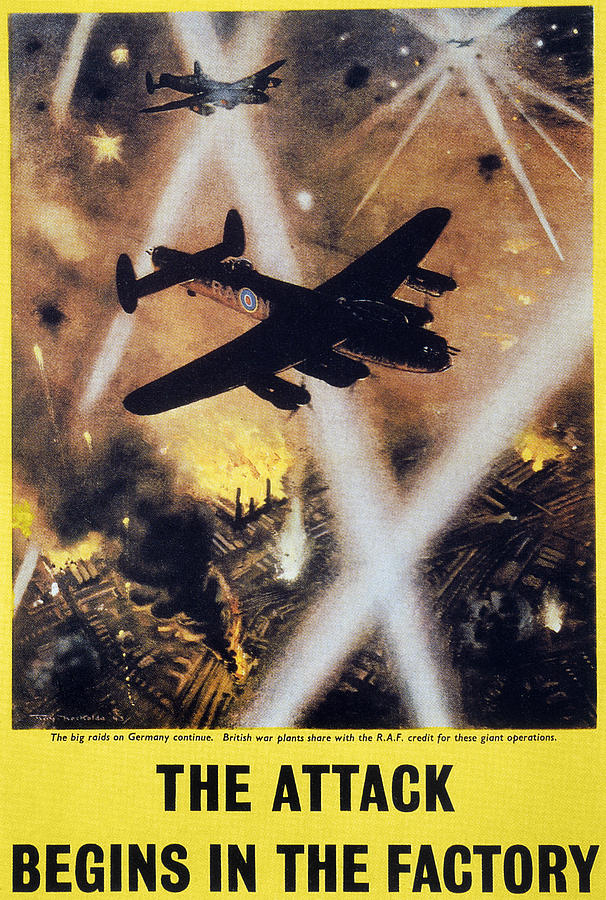
By the peak of the war, more than 40,000 workers filled the vast factories along Pacific Highway, producing aircraft at a scale the world had never before seen. The San Diego complex became synonymous with innovation, urgency, and the extraordinary national effort of wartime production.
Why San Diego Became the Ideal Production Hub
Several factors made San Diego the perfect home for Consolidated’s wartime industry:
-
Year-round flying weather — ideal for testing new aircraft
-
Open coastal airspace — safer for experimental flights
-
Access to naval facilities — important for seaplanes and maritime aircraft
-
Room for expansion — the company needed enormous factory floors
-
Local government support — the city welcomed the economic boom
Reuben H. Fleet recognized the city’s long-term potential and made a bold commitment: San Diego would become the center of America’s aviation future.
The Wartime Build-Up: A Factory City Within a City
During WWII, the San Diego plant grew into a sprawling industrial landscape of:
-
High-roofed assembly barns
-
Machine shops
-
Wood, metal, and tooling departments
-
Engineering offices
-
Prototype shops
-
Outdoor hardstands
-
Test-flight ramps along the bay
Shift whistles blew day and night. Workers poured in at all hours. Trams and buses delivered thousands of employees to the gates. Entire neighborhoods expanded to house the booming workforce.
The plant operated 24 hours a day, 7 days a week, to meet urgent military demand.
40,000+ Workers: The Human Engine Behind the War Effort
At its wartime height, more than 40,000 men and women worked at the San Diego complex—one of the largest industrial workforces on the West Coast.
They were:
-
machinists
-
engineers
-
riveters
-
draftsmen
-
inspectors
-
ferry pilots
-
clerks
-
accountants
-
flight crews
-
newly trained workers entering the industry for the first time
Many were local San Diegans. Others arrived from across the country, answering the call for wartime production.
Their combined effort allowed Consolidated to roll out aircraft at astonishing speed.
The Factories That Built Icons
The San Diego complex manufactured three of the most important aircraft of the war:
-
PBY Catalina — the most successful flying boat of WWII
-
B-24 Liberator — the most produced American military aircraft in history
-
C-87 & C-109 transports — supply lifelines for global operations
Each of these aircraft required huge teams, thousands of parts, and precise coordination across multiple production stages.
San Diego didn’t just build airplanes—it built legends.
The Pace of Production
During the peak years of 1943–1944, production reached staggering levels:
-
Dozens of Catalinas rolled out monthly
-
New Liberators completed in rapid succession
-
Assembly lines expanded into multiple parallel stages
-
Skilled crews test-flew aircraft directly over San Diego Bay
The speed and scale were unmatched. Workers often described the experience as “history moving faster than we could keep up with.”
Innovation in Manufacturing
Consolidated introduced advanced production techniques in San Diego, including:
-
modular assembly systems
-
precision jigs and fixtures
-
standardized component fabrication
-
improved quality-control protocols
-
faster inspection cycles
-
production engineering teams embedded along the line
These innovations allowed San Diego to produce aircraft faster—and with fewer defects—than earlier facilities.
Transforming San Diego Itself
The wartime boom reshaped the city:
-
Housing developments expanded
-
Schools and hospitals grew
-
New roads and transit lines appeared
-
Entire communities formed around the factory
-
Post-war economic growth was anchored in this aviation heritage
San Diego became an aviation city because Consolidated built its future there.
Legacy of the San Diego Complex
After the war, the factory continued operations under Convair, producing:
-
transport aircraft
-
flying boats
-
early jet bombers
-
missiles
-
space-program hardware
Much of San Diego’s modern aerospace industry can be traced directly back to the workforce, infrastructure, and momentum created by Consolidated during WWII.
The San Diego production complex was not merely a factory.
It was a wartime engine, a city-defining landmark, and a tribute to American industrial will.