

The Air Campaign
I don’t remember the moment the war became unavoidable. One day it was radio voices and folded newspapers, and the next my name was on a list. By the time we arrived, things had already been happening for a while—out over the ocean, in places most of us had never seen. It felt like the kind of war where missing something early could cost you later.
[NOTE: The italicized passages throughout this section are drawn from a fictionalized diary of a composite aircrewman, representing the shared experiences of thousands of men who flew during World War II.]
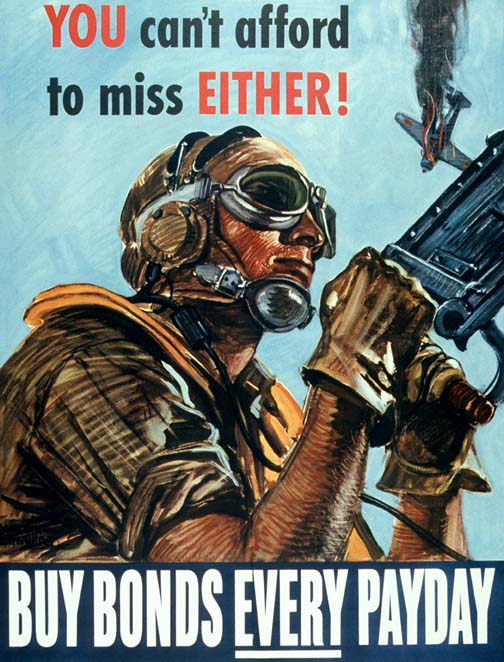
World War II unfolded at a pace and scale the world had never seen before. Long before ground forces met in decisive engagements, aircraft were already shaping the conflict—scouting oceans, guarding supply routes, tracking enemy movement, and striking far beyond traditional front lines.
For the United States, the air war demanded rapid expansion, constant adaptation, and unprecedented coordination. The Army Air Forces grew into a global presence almost overnight, deploying men and machines across Europe, the Atlantic, the Mediterranean, and the Pacific. Each theater posed its own challenges: distance, weather, enemy defenses, and the sheer endurance required to operate day after day in hostile skies.
Aircrews entered this war young and often with limited experience beyond training. They faced long hours of routine punctuated by moments of sudden danger, where survival depended on preparation, discipline, and trust in the men beside them. Technology mattered, but so did leadership, navigation, judgment, and the ability to keep functioning under pressure.
Reconnaissance became as critical as firepower. Finding the enemy first—at sea, in the air, or on the ground—could determine the outcome of entire campaigns. In some cases, what was seen, or not seen, reshaped the course of the war.
This section explores World War II from the perspective of those who fought it from the air. It moves from the organization of air forces to the lived experience of crews, from planning and preparation to combat and consequence. What follows is not only a record of battles and aircraft, but an examination of how air power—and the people who carried it into the sky—helped decide the outcome of the war.
Continue Through WWII
-
Army Air Forces
-
Aircrews & Squadrons
-
Surviving the War
-
Air War
-
Reconnaissance
-
Winning WWII
-
Wartime Culture