
Wartime Culture
Memory, Meaning, and What Remained
The airplane looked different by then. Names had been painted where bare metal used to be, and someone had added a figure that made the crew laugh the first time they saw it. Posters were tacked up in places no one had bothered decorating before. You could tell people were trying to say something without putting it into words.
Wartime culture emerged in the narrow spaces between fear, routine, and endurance. For aircrews, it took shape in small, human ways—art on aircraft noses, jokes scrawled on equipment, songs on the radio, and posters promising victory, safety, or home.
These expressions were not distractions from the war. They were responses to it.
Nose Art
Nose art became one of the most recognizable expressions of aircrew culture. Painted by crew members or ground personnel, it gave individual aircraft an identity beyond serial numbers and unit markings.
Some images were humorous, some defiant, some sentimental. Many reflected popular culture of the time—cartoons, pin-ups, slogans—while others carried private meaning known only to the crew.
Once painted, these images often stayed with an aircraft through multiple missions, becoming part of its history and the stories told about it.
War Posters
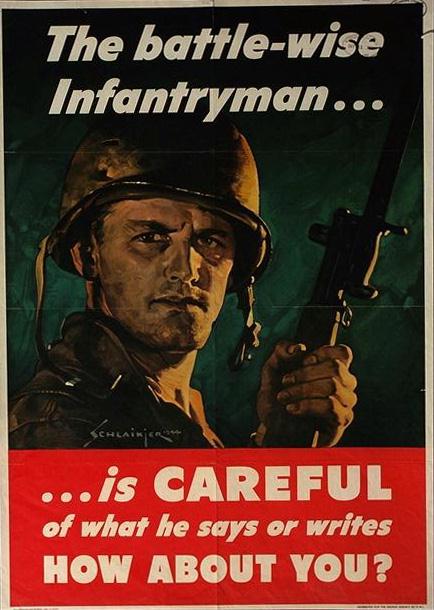
Posters were everywhere—on base walls, in briefing rooms, in mess halls, and back home. They carried instructions, encouragement, warnings, and promises, using bold colors and simple messages.
They reminded airmen why they were there, what was expected of them, and what was at stake. At the same time, they shaped how the war was understood by those far from the front.
The language was confident. The images were clear. The message was always forward.
Humor, Habit, and Routine
Between missions, routines took on added importance. Familiar habits—checking gear, sharing meals, listening to music—provided structure in an environment defined by uncertainty.
Humor, often dry or understated, helped relieve tension without acknowledging it directly. Stories were repeated. Superstitions formed. Small rituals marked the difference between before and after.
These practices did not remove danger, but they made it possible to live alongside it.
After the War
When the war ended, its cultural traces did not disappear. Aircraft were retired or scrapped, posters were taken down, and bases emptied—but memories remained.
For many who flew, the war left marks that were not visible. The habits, perspectives, and silences carried forward into civilian life, shaping how the conflict would later be remembered and retold.
Wartime culture preserved fragments of that experience—what could be shown, what could be joked about, and what could not always be said.
Explore Wartime Culture
-
Nose Art Gallery
-
War Posters Gallery