

Winning WWII
When the Air Decided the Outcome
The morning started quieter than most. No one joked. Chairs scraped back and boots moved across the floor, and that was about it. The engines sounded the same as always when they came to life, but everything else felt heavier. You had the sense that whatever happened next wouldn’t stay where it was.
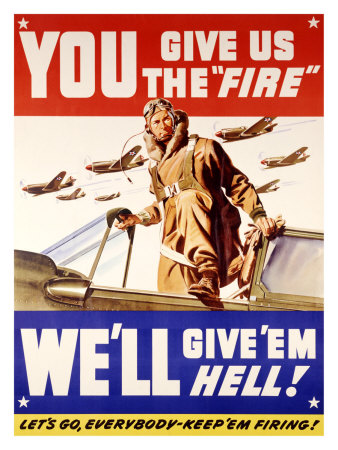
Winning World War II from the air did not hinge on a single battle, but on a series of moments where preparation, timing, and persistence converged. Air power shaped these moments by determining what forces could move, where they could strike, and how quickly they could respond.
Heavy bombers carried the war deep into enemy territory, disrupting production, logistics, and coordination. Long-range patrol aircraft extended vision across oceans, locating fleets and submarines before they could strike. Together, these roles turned information and reach into decisive advantage.
Decisive Missions
Some operations carried consequences far beyond their immediate objectives. Strikes against critical targets, sightings that revealed enemy intent, and sustained campaigns that wore down opposition all contributed to shifts that could not easily be reversed.
These missions were planned carefully and flown the same way as any other—by crews following procedures under pressure. Their significance often became clear only afterward, once outcomes began to ripple outward.
The Battle of Distance
Air power compressed distance. Oceans that once shielded fleets became searchable. Industrial centers once thought unreachable came within range. The ability to project force over long distances altered how the war was fought and where it could be won.
This reach forced the enemy to defend everywhere at once, stretching resources thin and limiting options.
Accumulated Effect
Victory did not arrive all at once. It emerged through repetition—missions flown, losses absorbed, lessons learned, and tactics refined. Each success made the next more likely, and each failure informed changes that followed.
Over time, the balance shifted. Air superiority increased. Enemy movement grew riskier. Initiative changed hands.
When the Outcome Became Clear
There were moments when the direction of the war could be felt, even if it was not yet declared. Supply lines faltered. Fleets withdrew. Resistance weakened in places it had once been strongest.
By the time the war ended, much of its outcome had already been decided in the air—by what was seen, what was reached, and what could no longer be protected.
Continue Through WWII
-
Wartime Culture